Collagen Soup and the Myth of Collagen Boosting Foods
May 30, 2025
In the 2004 Hong Kong horror film, a former actress desperate to reclaim her husband’s affection seeks a mysterious woman known as Aunt Mei, who makes special dumplings that supposedly regain your youth. If you have seen this film, you would know that there is a sinister secret behind the dumplings.
While way less gory than the film is, that’s what a lot of the marketing surrounding collagen rich foods are necessarily telling you. All you need is to eat these foods and you will get youthful-looking skin in no time.
But how effective are these skincare diet fads?
The Myth of Eating Collagen
Many food products have popped out that promise to increase collagen production for glowing skin – and we’re not just talking about supplements. There are porridges, sauces, drinks, and even your milk tea has had a collagen facelift.
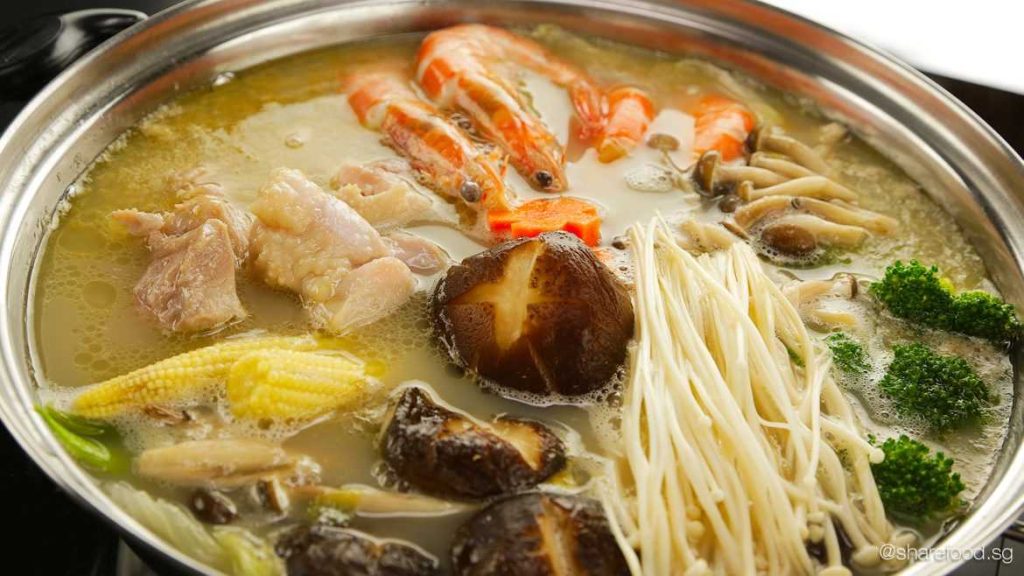
One dish that has gained traction for its promised skin benefits is “collagen soup”. Bone broth is one of those superfoods that have been said to help with collagen absorption and production. Collagen soup is mostly the same thing; think of a delicious bowl of chicken soup, but in this case it has lumps of beige-coloured collagen jelly.
It might sound disgusting in description, but collagen soup is actually quite delicious. The jelly-like consistency melts away into a rich flavorful broth.
Photo from Share Food Singapore
It’s actually a favorite of a lot of people, preferring the broth in their hotpot. Mei Ren Guo (Beauty in a Pot) is a type of hotpot that can be found in several restaurants and food courts in Singapore. It is known for its rich taste, but it has a particular following as it is said to help life and rejuvenate the skin because of the amount of collagen found in the soup.
With the amount of food products out there that promise healthy skin, one can wonder “does ‘eating collagen’ work?”
The Truth about Eating Collagen
There is no concrete study that shows that it works.
Collagen is a form of protein that our body naturally produces, found in the skin, hair, nails, ligaments, and bones. Its production slows down because of reasons such as aging, overexposure to sun, smoking, alcohol, and a high sugar diet.
Our body does not absorb collagen in its entirety to replenish collagen lost. What happens when you eat these collagen boosting foods is that it gets broken down during digestion. There is no way of controlling or knowing how much collagen your body is able to absorb. Those that are able to make their way to your body do not all go to your skin. It can do other parts like your hair, nails, or bones.
To put it simply, collagen soups and other collagen products are not your shortcut to having glowing skin. But it doesn’t mean you have to give up on your skin diet.
The Foods that Increases Collagen
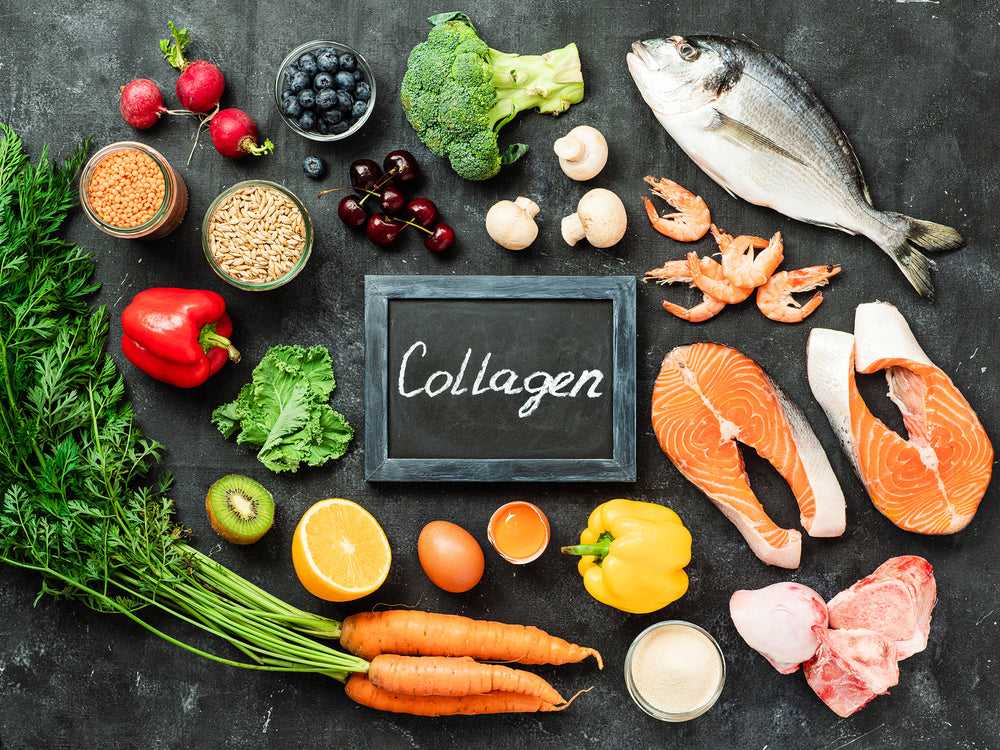
With how our body works, we cannot just replace the collagen in our body with food that is high in collagen. However, there are foods that aid in the natural collagen production, which you can add to your diet.
Photo from Organics Nature
Here what a skin-healthy meal would look like:
Choose your protein. It can be meat, chicken, fish, or eggs.
Add the leafy greens of your choice. It can be kale, spinach, or broccoli. You can even add some bell peppers or tomatoes to make a fresh salad.
To add substance, you can incorporate whole grains or beans.
For dessert, avoid sugar or refined carbs. Go for citrus fruits or berries instead.
We’re not discouraging you from eating collagen soups and other collagen boosting foods. Again, bone broths can be a good super-food for the skin – make it your own to make sure it’s fully organic.
We’re just saying that healthy glowing skin is not achieved with a single meal.
The internet is full of noise. We’re here to make sense of the chaos online. We bring you sharp takes on the stories, communities, and trends that actually matter.