7 Best Running Shoes of 2026 That Actually Deliver
August 13, 2026
Trying to beat your PR this race season? Your shoes can make a bigger difference than you think. The best running shoes 2026 can help you hold your pace longer and feel fresher near the finish. Picking the right pair is just as important as putting in the training that’s why many runners are upgrading their race-day gear.
We looked beyond the hype and focused on lab testing, long mileage, and race reports by runners who spent real time in each shoe. Our list covers seven standout options for different goals and budgets.
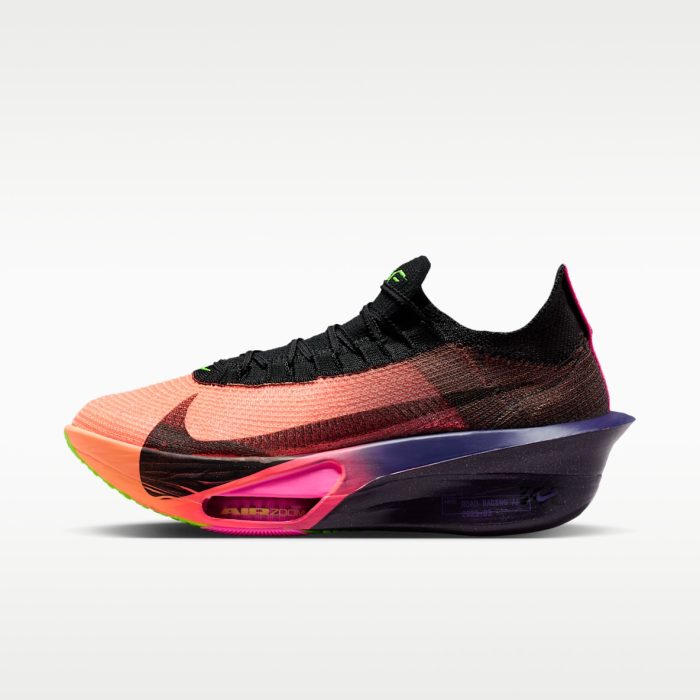
1. Nike Alphafly 3
Arch pressure has been the Alphafly line’s biggest complaint since the original dropped in 2020, and it’s the reason a lot of lightweight racing trainers skipped straight to the Vaporfly instead.
Nike went after that problem directly in the Alphafly 3: one continuous block of ZoomX foam sits under a wider FlyPlate, spreading pressure more evenly through the midfoot instead of concentrating it at one pinch point. The AtomKnit upper also breathes well in humid air, useful if your next race is Milo Marathon Manila or a training block through Singapore’s wet season.
What reviews are saying: It’s called “the best Alphafly version to date,” even with the steep $285 price tag drawing side-eye. It also clocks the shoe at 204g, a true-to-size fit, and a medium-width toe box, noticeably wider than the narrower Vaporfly.
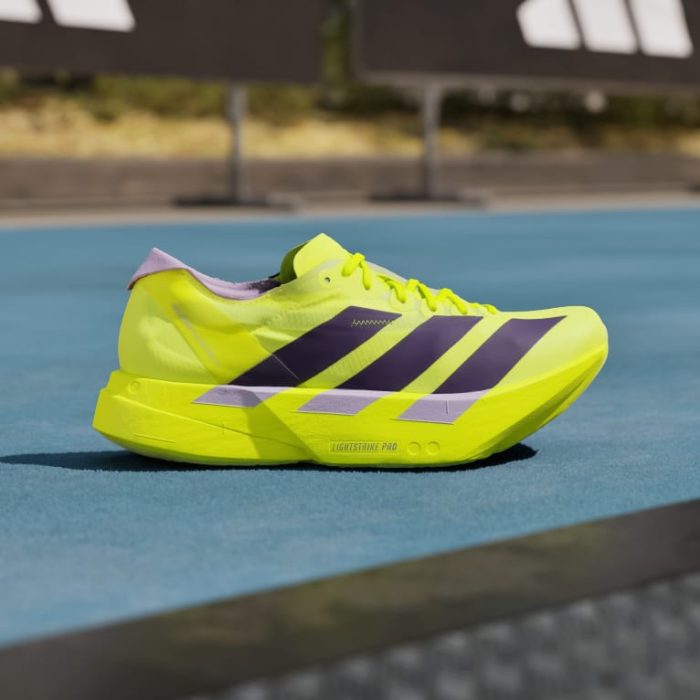
Adidas’ $500 flagship Pro Evo 1 used to exclusively have the brand’s fastest racing tech. The Adios Pro 4 brings that design language down to a shoe runners can actually buy and train in, landing as one of Adidas’ lightest, punchiest marathon running shoes yet. The new Lightstrike Pro foam feels bouncier at speed, and the Energy Rods now run the full length of the shoe for extra forward roll at toe-off.
What reviews are saying: The Pro 4 “knows exactly what it wants to be,” with reviewers calling it a personal favorite racer in this category.It measures a noticeably narrower toe box than the Pro 3, so runners with wider feet should plan on sizing up before race day.
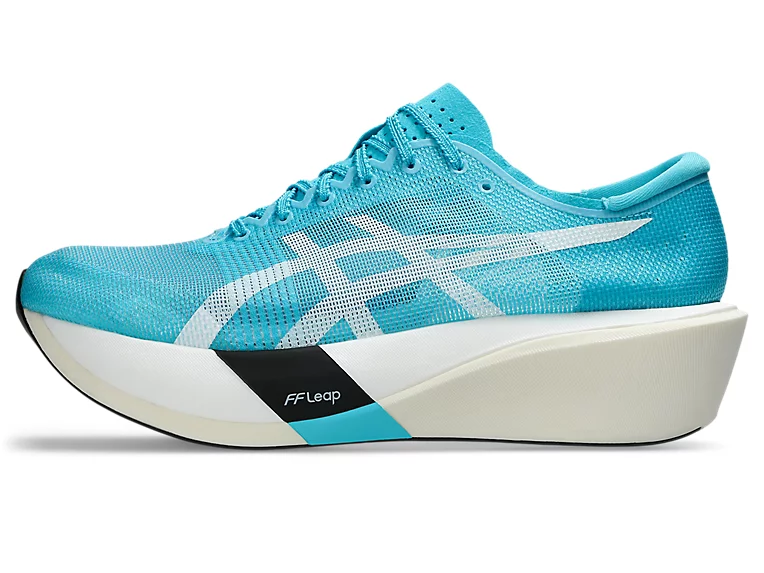
Not every fast runner speeds up the same way. Some lengthen their stride, others just turn their legs over quicker, and most carbon racers are tuned for one style at the expense of the other.
ASICS built the Metaspeed Edge Tokyo for the second group: cadence-style runners who pick up pace through faster turnover rather than a longer reach. It swaps in FF Leap foam for a softer, bouncier ride while keeping the scooped carbon plate that made the Edge series stand out. At 170g, it lands among the most lightweight racing trainers here, and ranks as one of the more approachable elite road running shoes in the category.
What reviews are saying: It points out that ASICS now runs three separate Metaspeed models, making the choice harder than it needs to be. Still, Edge Tokyo is seen as suited to midfoot and heel strikers chasing anything from a 5K to a full marathon.It ranks it as some reviewers favorite version of the Edge line so far.
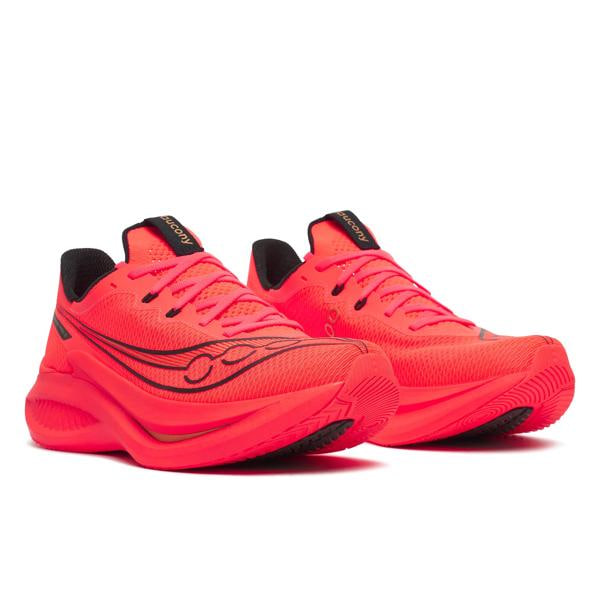
Most long distance running shoes excel in one area, either built only for race day or feel comfortable for daily miles but fall short when it’s time to run fast.
Saucony built the Endorphin Pro 5 to close that gap. It keeps the dual PWRRUN HG and PWRRUN PB foam stack from the Pro 4, but reworked the carbon plate for a sharper, more aggressive toe-off, and the new PWRTRAC outsole finally fixes the weak wet-weather grip that dogged earlier Endorphins, holding up well on wet urban routes.
What reviews are saying: It says the Pro 5 “just wanted to roll forward” during speed sessions, based on a two-month testing log, noting how it naturally supports a faster pace. It’s also considered a more conservative pick next to Saucony’s flashier Endorphin Elite 2, ideal for runners who want carbon-plate speed without a twitchy ride
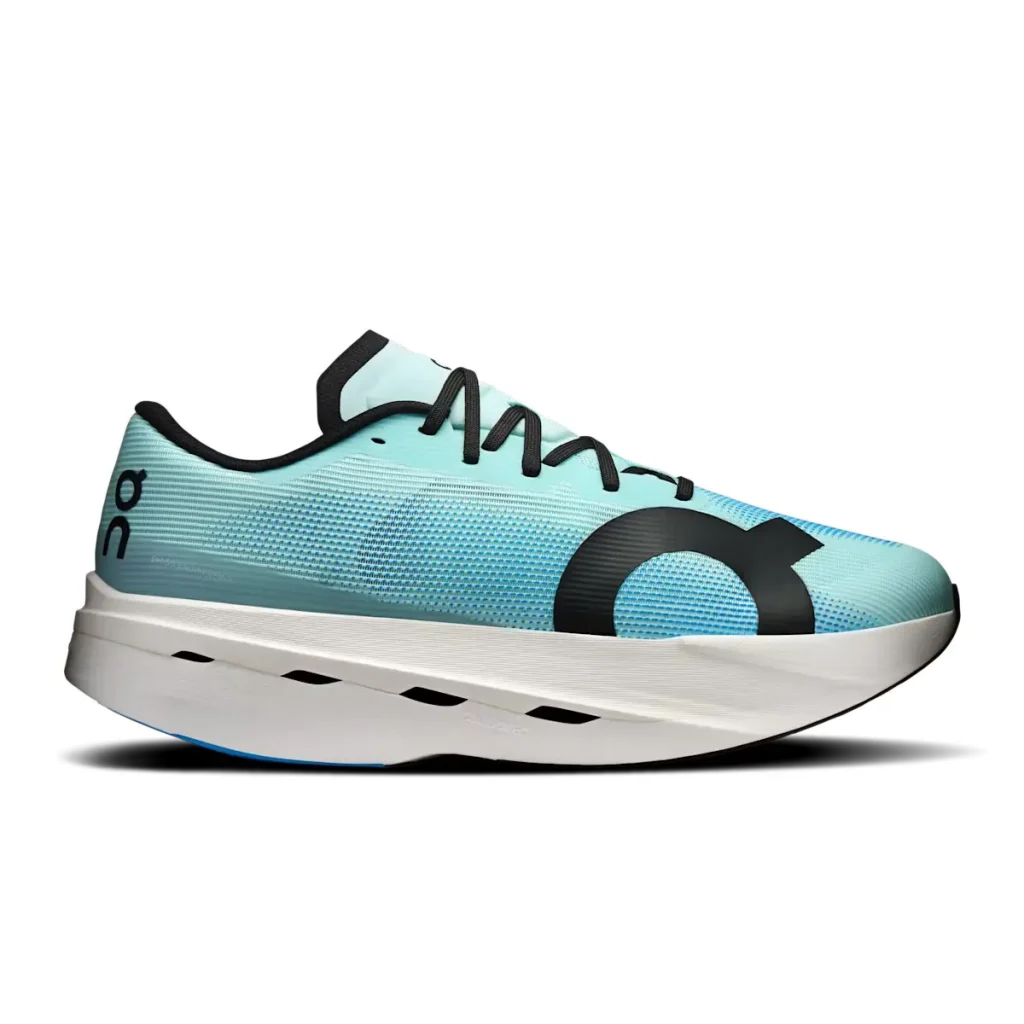
Trying your first carbon racer usually means gambling $300 or more on a shoe you might not even like the feel of. On built the Cloudboom Volt to lower that entry cost without skipping the actual carbon-plate experience.
It’s On’s entry-level pick among race day running shoes, pairing a firmer version of Helion HF foam with a full-length carbon Speedboard plate. At $200, it undercuts the pricier Cloudboom Strike and Cloudboom Max by a wide margin.
What reviews are saying: Reviewers find the firmer foam suits easier paces better than an all-out race effort, positioning it as a marathon option for recreational racers rather than elites chasing records.It is put in the same price bracket as the HOKA Cielo X1 2.0 and Puma’s Deviate Nitro Elite 4.
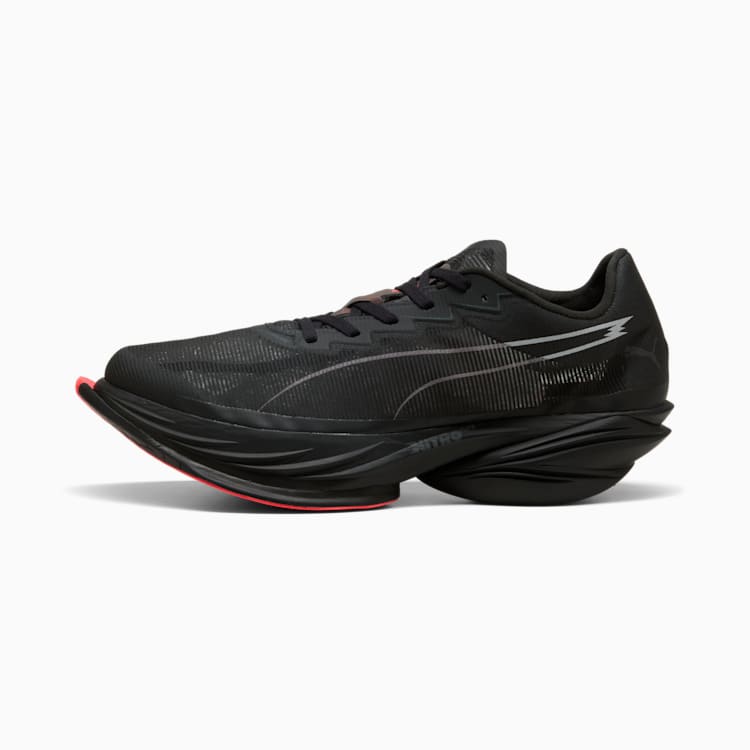
Most carbon-plated racing shoes are designed to adapt to how you naturally run, but the Puma Fast-R Nitro Elite 3 is different.
Instead of using the soft, springy foam found in most top super-shoes, Puma used a firmer, stiffer aliphatic TPU material. This gives a much faster launch with every step, but it is far less forgiving if you have poor running form. Because of its split heel and tight fit through the middle of the foot, it is one of the hardest shoes to run in, but it gives the biggest speed advantage to runners with near-perfect technique.
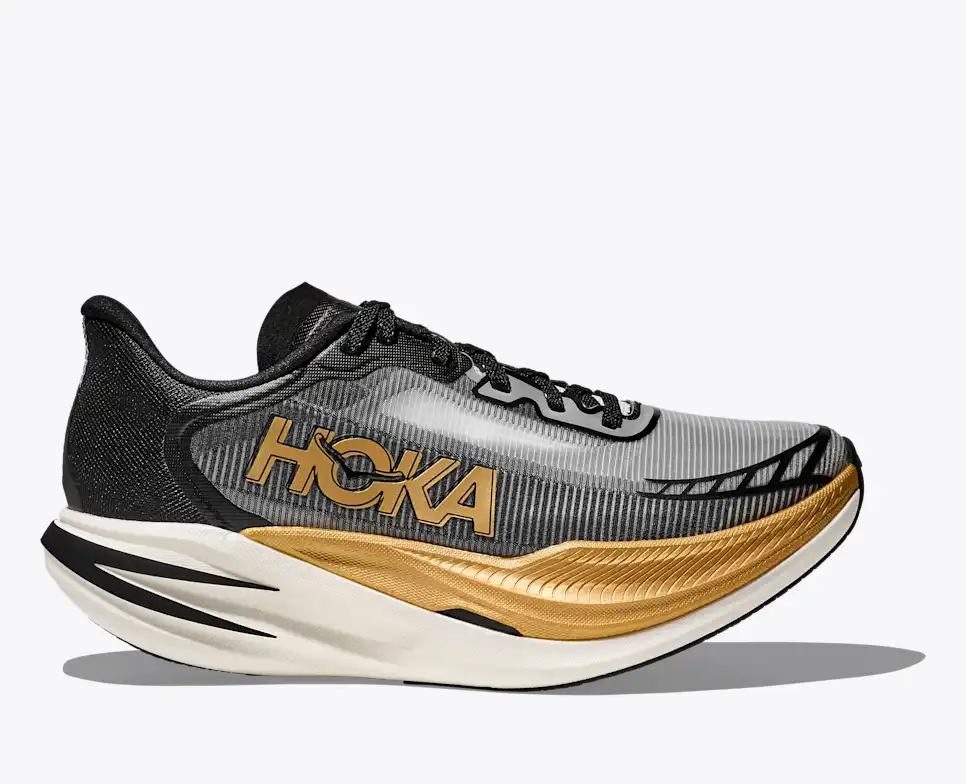
The original Cielo X1 earned a reputation as one of the best shoes for half marathons, but almost nobody raced in it, at close to 250g, it was too heavy to keep up with the field on race day.
HOKA went back and rebuilt it lighter, cutting nearly 30 grams and swapping in a breathable jacquard mesh upper. The dual-layer PEBA midsole and winged carbon plate deliver a soft, springy ride with an aggressive rocker shape.
What reviews are saying: According to those who loved the original, the 2.0 version finally delivers on the racing promise the first version never quite reached.Other reviewers backed that up, recording some of the highest heel-shock absorption numbers on this list, a plus for heavier rearfoot strikers.
Every shoe on this best running shoes 2026 lineup boosts performance, but the key is matching the pair to your specific target race.
For marathoners tackling 26.2 miles, the Nike Alphafly 3 and Adidas Adios Pro 4 lead the pack with maximum long-distance energy return.
If your focus shifts to half marathons or fast tempo training, the ASICS Metaspeed Edge Tokyo and Saucony Endorphin Pro 5 excel in that mid-distance speed lane.
For runners seeking carbon-plated speed without an overly aggressive rocker shape, the forgiving On Cloudboom Volt and the form-demanding Puma Fast-R Nitro Elite 3 offer distinct approaches to fast transitions.
If you simply want the absolute top-performing all-around option, the Hoka Cielo X1 2.0 claims the crown.
Above all, prioritize comfort. Even the fastest shoe in the world only works if it keeps your feet feeling fresh past the first few miles.
The internet is full of noise. We’re here to make sense of the chaos online. We bring you sharp takes on the stories, communities, and trends that actually matter.