Is the IT Girl Dead?: The meaning of “IT” in the Online Age
December 6, 2024
I discovered Alexa Chung when I was 13.
While scrolling through Tumblr, I stumbled upon a photo of a girl kneeling in a flight of stares, she’s wearing a babydoll dress with a lace collar, knee-high socks, what seems to be a Chanel bag on the floor, and a cigarette in her hand.
The image took me to an imaginary place where I could smell the tobacco, feel the heat on my skin, the loud music blasting from the speakers. For some reason, I felt I knew that girl, but something about her left me intrigued.
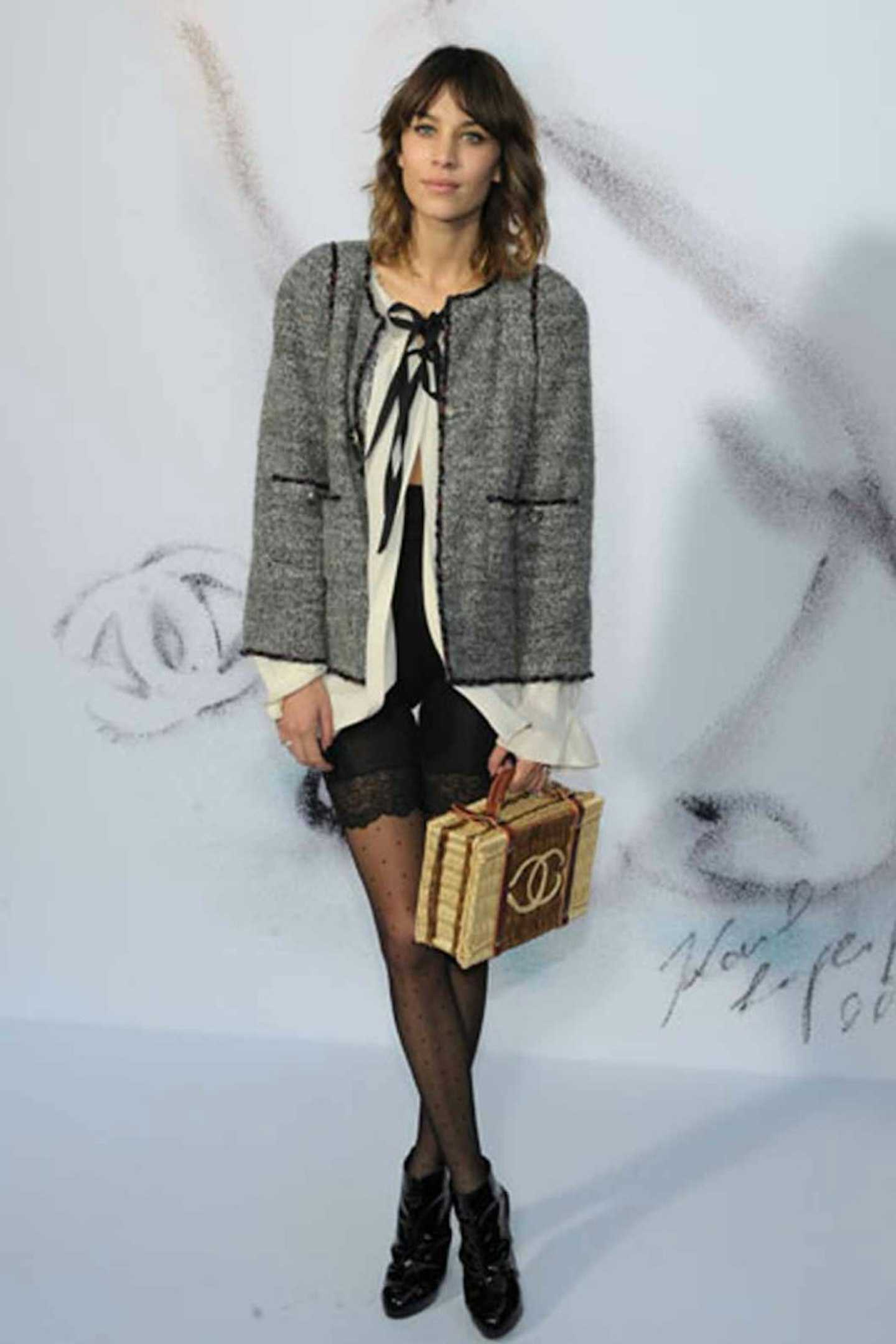
Then came a fall to a rabbit hole. An infamous photo of her in Glastonbury, wearing knee high with rain boots that are covered in mud. Her attending a Chanel show in cycling shorts.
Everything about it felt so random, but so right.
Photo from Pinterest
Photo from British Vogue
Photo from Grazia Daily
A lot of articles from that time referred to her as an “IT Girl”.
The term has stuck with me over the years. However, recently, the title of “IT Girl” seems to be given to anyone who is making rounds on social media. None of them have the charm of that girl I saw smoking in her baby doll dress.
What is “IT”?
For years, hundreds of magazine articles and media pieces have tried to give a definition of an “IT Girl” and try to cite the latest names that bestow that title. Yet, no one seems to crack a code of what “IT” truly stands for.
The Cambridge Dictionary defines “IT” as “a famous young woman who is known for going to a lot of parties and social events,” but isn’t that a lot of women in the world? What makes “IT Girls” so special?
The earliest definition of “IT” can be traced to British writer Elinor Glyn, who published a serialized novel in Cosmopolitan magazine entitled “IT”. It was then adapted to the 1927 film of the same title starring Clara Bow, who many considered the first “IT Girl”.
In a brief appearance in the film, Glyn contextualized what “IT” means. To her:
“With ‘IT’ you win all men if you are a woman – and all women if you are a man. ‘IT’ can be a quality of the mind as well as a physical attraction… Self-confidence and indifference as to whether you are pleasing or not – and something in you that gives the impression that you are not at all cold. That’s ‘IT’!”
It’s a magnetism that you can not necessarily put your finger on, but once you notice ‘IT’, it’s hard to look away. Over the years, the term has evolved its meaning, and many women have been labeled as having “IT”.
Who is “IT”?
Clara Bow was considered the first “IT Girl”. Bow started off in silent films, capturing audiences with her charming portrayal of ingenues on screen. In the film “IT”, she epitomized the Roaring Twenties. The actress – and her characters- is what many consider as a “flapper”; she parties, she drinks, she smokes, and she’s a little bit promiscuous. Bow was considered the ideal woman of the time.
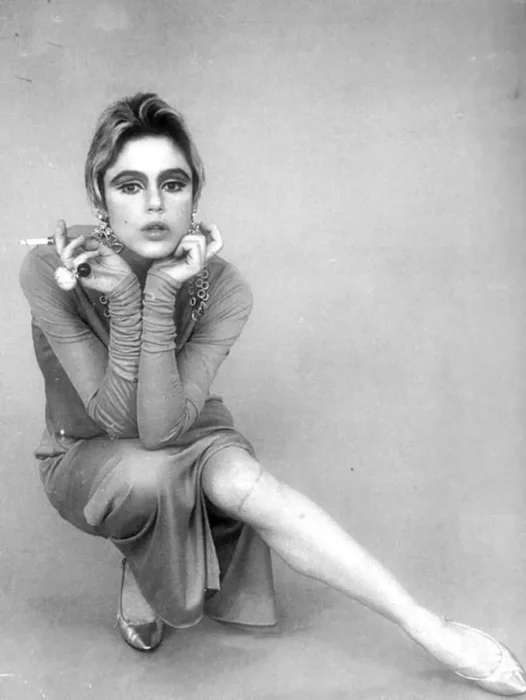
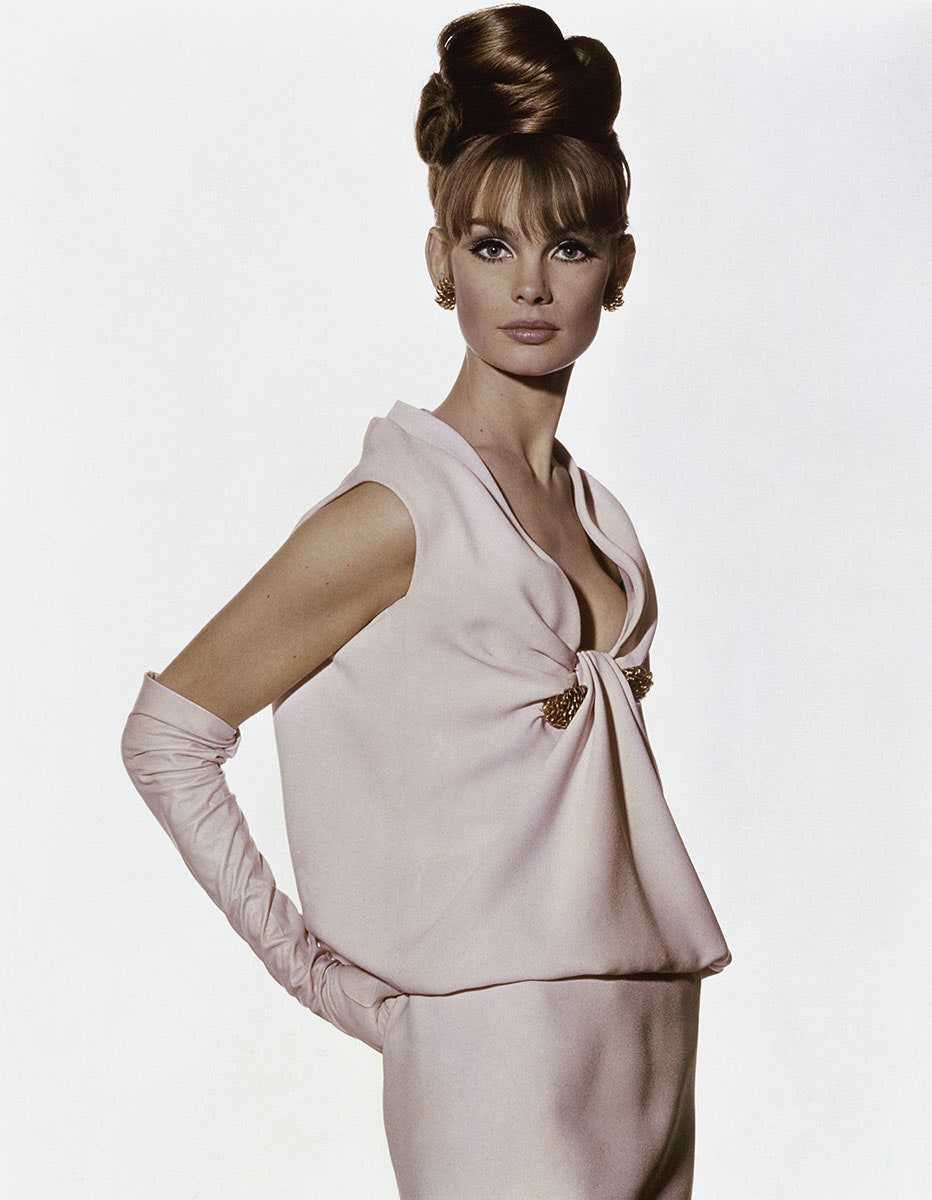
In the 1960s, Youthquake happened. People like Edie Sedgwick, Jane Shrimpton, and Jane Birkin were considered the “IT Girl” of the time. While they may not be as popular mainstream as their predecessors, these women represented subcultures that were growing in popularity at that time. Sedgwick was the face of the booming art scene in New York, while Birkin was the effortlessly hippie French girl.
Photo from The Collector
Photo from Vogue
Photo from Harper’s Bazaar
This time the idea of the “IT Girl” as the “Muse” became popularized, where a part of these women’s identity is being the subject of male artists and their art. Edie Sedgwick was the muse of artist Andy Warhol, and Jane Shrimpton to photographer David Bailey. Jane Birkin was tied to singer and actor Serge Gainsbourg. Because they are often seen through the lens of these artists, “IT Girls” of this era had a certain mystique to them.
The 1990s further complicated the meaning of “IT Girl”, presenting different types of the ideal woman.
Supermodels like Linda Evangelista, Naomi Campbell, and Kate Moss epitomized the glamor of the fashion industry. They walked fashion shows, posed for magazine covers, and partied in the latest fashion trends.
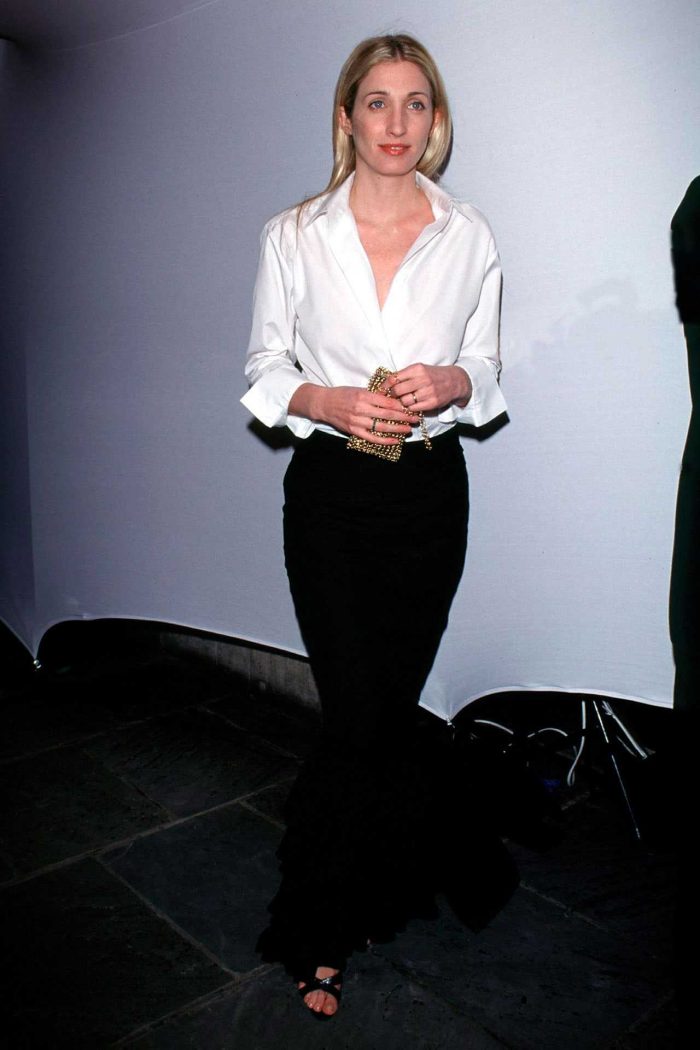
The era also brought attention to members of high society. People like Carolyn Bessette-Kennedy were considered living an ideal life. She worked as a publicist for Calvin Klein and later married to the Kennedy family. Her style is influential, even now, as the icon for minimalism and the “Old Money” aesthetic.
Photo from Vogue
Photo from Vogue
Photo from Vogue
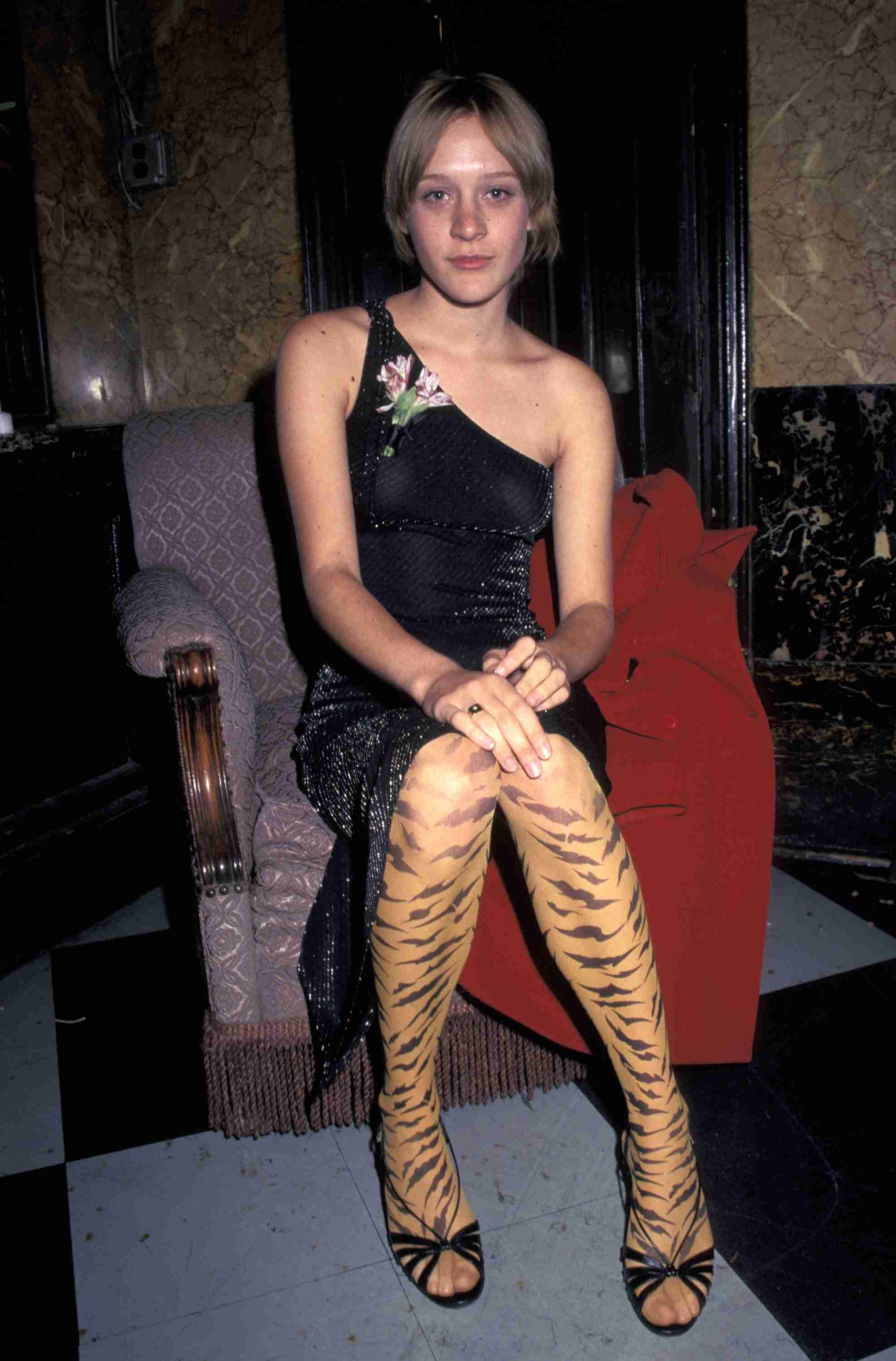
If “IT” is a quality that gives an impression as you walk into a room, nobody embodies that better at that time than Chloë Sevigny. When she was 17, she was spotted in the streets of New York by magazine editor, Andrea Linett, who asked her to be a model because of her impressive style. At 19, she was spotted again by author Jay McInerney, who wrote a seven-page article about her in The New Yorker. In the said article, she was referred to as one of the “coolest girls in the world”, cementing her “IT Girl” status.
However, Sevigny was considered an ‘alternative’ kind of “IT Girl”. Instead of dawning the latest fashions, her style consisted of pieces she found in thrift stores, combining them to an eclectic aesthetic. When she moved on to her acting career, she also did not fit the mould of the ‘glamorous movie star’, rather she starred in a lot of indie and critically-acclaimed films.
In the 2000s, reality TV had its boom. So, socialites like Paris Hilton and Nicole Richie, who starred in their own show, were the hottest girls in town. They were also often photographed, paparazzis taking photos of them partying and in their everyday life.
Is the “IT Girl” dead?
The rise of social media has given way to a new kind of celebrity.
A lot of women have made a name for themselves on platforms like Youtube, Instagram, and TikTok, amassing a large following from their content that are both aspirational but also relatable.
It’s through this curated clout that many brands have tapped into these influencers, using their platforms for collaborations. As a result, it’s not uncommon to see them in the front row during fashion week, in the red carpet of movie premiers, and even in magazine editorials.
All signs of being an “IT Girl” right?
Going back to Elinor Glyn’s definition of “IT”, yes they are physically attractive and confident. Sure, they have a pleasing personality that doesn’t make them appear cold. But there’s one word that sticks out: “indifference”.
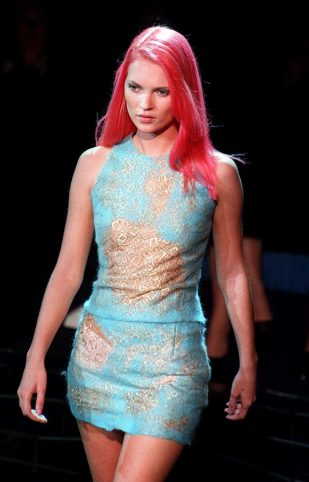
A part of the charm of the “IT Girls” of the past is a sense of nonchalance, a quiet disruption of the status quo. It’s Jane Birkin carrying a wicker basket as a purse in fancy parties. It’s Kate Moss having pink hair in the sea of blonde and brunette models. It’s Chloe Sevigny walking down the street just… being herself.
Social media platforms give the space for people to craft an image, regardless of how authentic it may be. At the same time, these platforms’ algorithms dictate what is popular, creating a monolithic view of what is considered desirable and aspirational.
So what does it take to have “IT” in a culture overtaken by trends and consumptions?
Alexa Chung: The Last “IT Girl”
Alexa Chung might be the last genuine “IT Girl” of the time, epitomizing “IT” in every sense of its word.
Alexa Chung was scouted when she was 16 and became a model for teen magazines and brands. In 2006, she became a co-host for a British music show called Popworld. Here, she became known for interviewing celebrities and musicians in her irreverent and slightly awkward attitude.
Chung was also noticed for her sense of style, citing a lot of rockstars’ “muses” as her inspiration. Over the years she has become a permanent fixture of the fashion industry, becoming a contributing editor at British Vogue in 2009. She’s a front row fixture in numerous fashion week shows, from Chanel to Miu Miu. A lot of brands also collaborated with her, which culminated in her releasing her own eponymous label, ALEXACHUNG in 2017.
Alexa Chung has carried her “IT Girl” title throughout the years.
In the early 2010s, she was able to capture the Indie Sleaze zeitgeist. A proclaimed music fan, Chung was often spotted in music festivals like Glastonbury in her dainty dresses layered under big parka jackets, or the aforementioned leather jacket, jean shorts, and knee socks combo. This time was also her “muse” era, with her public relationship with Arctic Monkeys frontman Alex Turner.
Her boyish frame and unique look (associated with her mixed Chinese-British heritage) also made the fashion industry turn its head. Pair this with her sense of style that combines the masculine and feminine, the classic and contemporary. How she is able to take trends and put her own spin to it makes her a style icon to many.
All of these culminated in 2013 when Chung published a book entitled “IT”, sharing inspirations and musings through a series of essays and photographs.
Moreover, Alexa Chung is one of the “IT Girls” that is able to translate their persona to social media. With 6.3 Million followers on Instagram and her Youtube racking millions of views, Chung captures people’s attention with her quirky antics and great sense of style. Yet, everything somehow feels authentic to her.
We can attribute Alexa Chung’s “IT Girl” status to her style or personality, but it doesn’t feel right to condense it to just that. There’s just something different about Chung, a je ne sais quoi as cliché as it may sound.
There might come a time that Alexa Chung would not be considered the last considered “IT Girl”. Although there is no doubt that she has epitomized the idea – a tangible image of the vague concept – the most in recent years.
While the “IT Girl” as we know it might be a rarity, she may not be dead. One thing is for sure, social media, again, complicated the hunt for what is the meaning of “IT”.
K-Pop loving. Trinket-obsessed. Fashionphile. A preppy of pop culture, his creative writing and art direction is a product of hours of deep dive through every nook of the world wide web. Don’t ask him anything about sports though.